Contents:
- Preparation
- Step 1: Meet Licensing Requirements
- Step 2: Secure Insurance and Bonding
- Step 3: Invest in Essential Tools and Safety Equipment
- Step 4: Build Supplier Relationships
- Step 5: Generate Leads Through Local Marketing
- An Expert Quote
- A Sustainability Angle
- Pro Tips
- A Cost Breakdown
- A Personal Example
- A Sustainability Angle Continued
- FAQ
- How much does it cost to start a roofing business?
- Do I need prior roofing experience to get licensed?
- How do roofing businesses generate leads after storms?
- Is roofing a physically demanding business to run long-term?
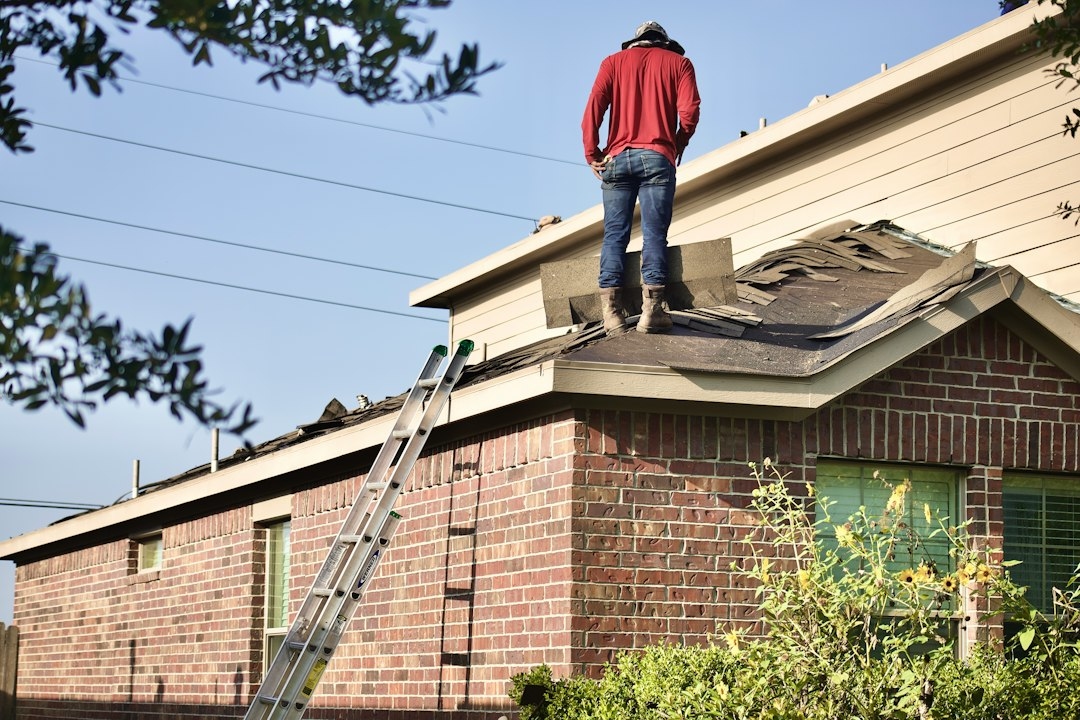
A common myth insists roofing businesses need a massive crew and a warehouse full of equipment just to bid a single residential job.
Preparation
Gather relevant roofing experience, research your state’s contractor licensing requirements, and secure initial capital for insurance, tools, and a reliable work vehicle.
Step 1: Meet Licensing Requirements
Most states require a contractor’s license involving an exam, proof of experience, and insurance before you can legally operate a roofing business.
Step 2: Secure Insurance and Bonding
General liability insurance and workers’ compensation protect against the genuinely significant fall and injury risk inherent in roofing work.
Step 3: Invest in Essential Tools and Safety Equipment
Ladders, harnesses, nail guns, and a reliable truck typically require $10,000-$25,000 in initial investment for a lean starting operation.
Step 4: Build Supplier Relationships
Establishing accounts with local roofing material distributors unlocks contractor pricing and ensures reliable material access during busy season.
Step 5: Generate Leads Through Local Marketing
Local search advertising, storm damage response services, and referral relationships with insurance adjusters all generate consistent early business.
An Expert Quote
“Reputation in roofing spreads fast, in both directions,” says veteran roofing contractor Sal Marchetti. “Your first ten jobs matter more than any advertising budget.”
A Sustainability Angle
Offering cool roofing materials and proper recycling of old shingles increasingly differentiates a new roofing business in a market where clients ask about these options directly.
Pro Tips
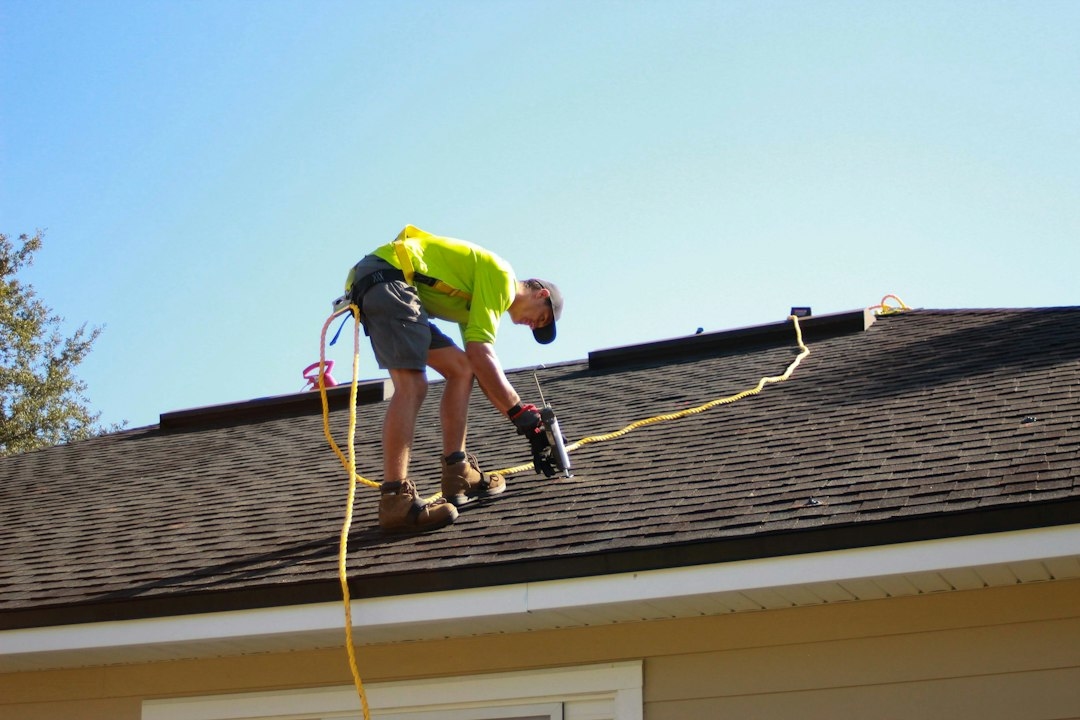
Specializing in storm damage response and insurance claim assistance often generates faster early revenue than competing purely on routine replacement jobs.
A Cost Breakdown
Insurance and bonding alone can run $3,000-$8,000 annually depending on crew size, a cost that should be built into every job estimate from the start.
A Personal Example
A roofer who started solo now runs three crews after five years, attributing much of that growth to consistently honest, on-time communication with every single homeowner client.
A Sustainability Angle Continued
Recycling old shingles instead of sending them to landfill has become a genuine selling point that resonates with environmentally conscious homeowners in many markets.
FAQ
How much does it cost to start a roofing business?
Total startup costs typically range from $10,000 to $40,000, covering licensing, insurance, tools, and a work vehicle before your first job.
Do I need prior roofing experience to get licensed?
Most states require documented work experience or an apprenticeship before granting a contractor’s license for roofing work.
How do roofing businesses generate leads after storms?
Many partner with insurance adjusters and offer free damage assessments, converting storm-related inquiries into paid repair or replacement contracts.
Is roofing a physically demanding business to run long-term?
Yes, and many successful owners transition from hands-on labor to management and sales roles as their crew and business grow.