Contents:
- Problem Statement
- Why Solve It
- Step-by-Step Solution
- Step 1: Choose Your Wax and Fragrance Suppliers
- Step 2: Meet Safety Labeling Requirements
- Step 3: Price Your Candles for Profit
- Step 4: Build a Simple Online Storefront
- A Comparison: Soy Wax vs Paraffin Wax
- An Expert Quote
- A Regional Difference
- Examples
- Troubleshooting
- FAQ
- How much does it cost to start a candle business?
- Do candle makers need a special license?
- Can candle making be profitable as a side business?
- How do I test new fragrance combinations safely?
- Should I sell candles wholesale to local boutiques?
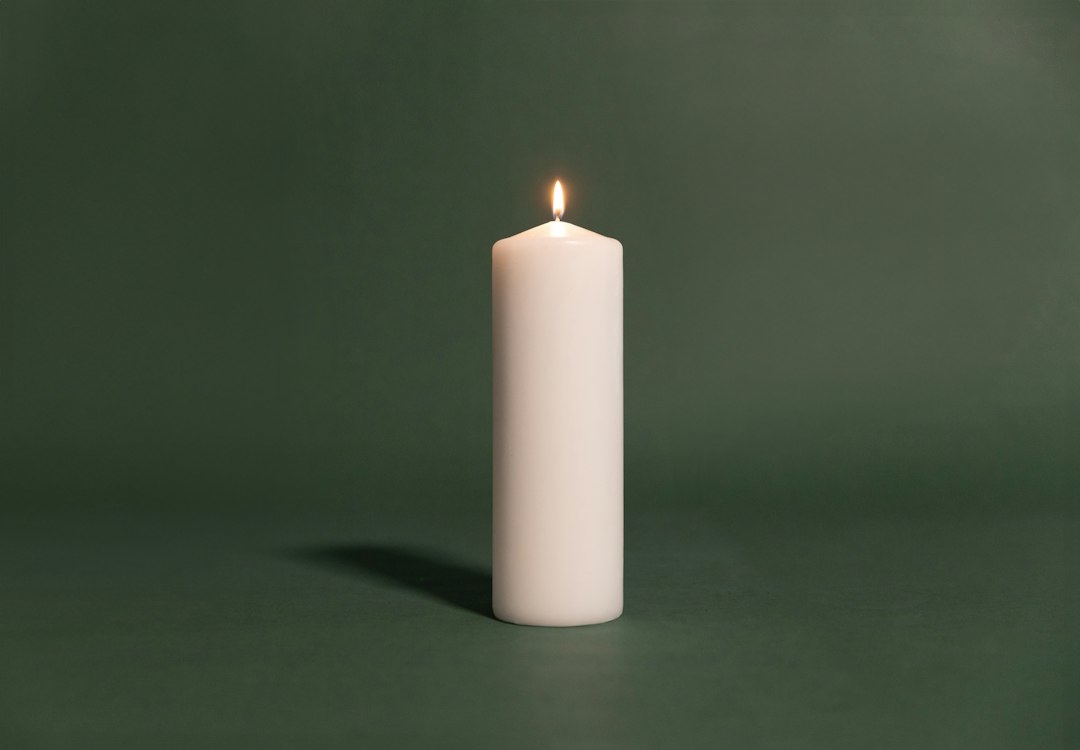
A kitchen table covered in melted wax, cotton wicks, and a dozen mason jars can genuinely turn into a real, functioning business within a single busy season.
Problem Statement
Many aspiring candle makers get stuck between a fun hobby and a genuine business, unsure how to price products, meet safety requirements, or find their first paying customers.
Why Solve It
Handmade candles remain a strong market with relatively low startup costs, making the transition from hobby to small business more accessible than many other product-based ventures.
Step-by-Step Solution
Step 1: Choose Your Wax and Fragrance Suppliers
Soy and coconut wax blends have become the preferred choice for many new candle makers, offering cleaner burns and stronger appeal to eco-conscious customers.
Step 2: Meet Safety Labeling Requirements
Federal regulations require candles to include specific warning labels and ingredient information, and skipping this step can create real legal liability down the road.
Step 3: Price Your Candles for Profit
Most handmade candles sell for $18-$35 depending on size and packaging, with material costs typically running just $3-$6 per candle when purchased in reasonable bulk quantities.
Step 4: Build a Simple Online Storefront
A basic Etsy shop or simple website lets you start selling immediately, well before investing in a more elaborate custom e-commerce platform.
A Comparison: Soy Wax vs Paraffin Wax
Soy wax burns cleaner and appeals more strongly to eco-conscious buyers, while paraffin, though less popular now, still offers stronger scent throw at a somewhat lower cost.
An Expert Quote
“Consistency in scent strength and burn quality is what turns a one-time buyer into a repeat customer,” says candle maker and small business coach Talia Brennan.
A Regional Difference
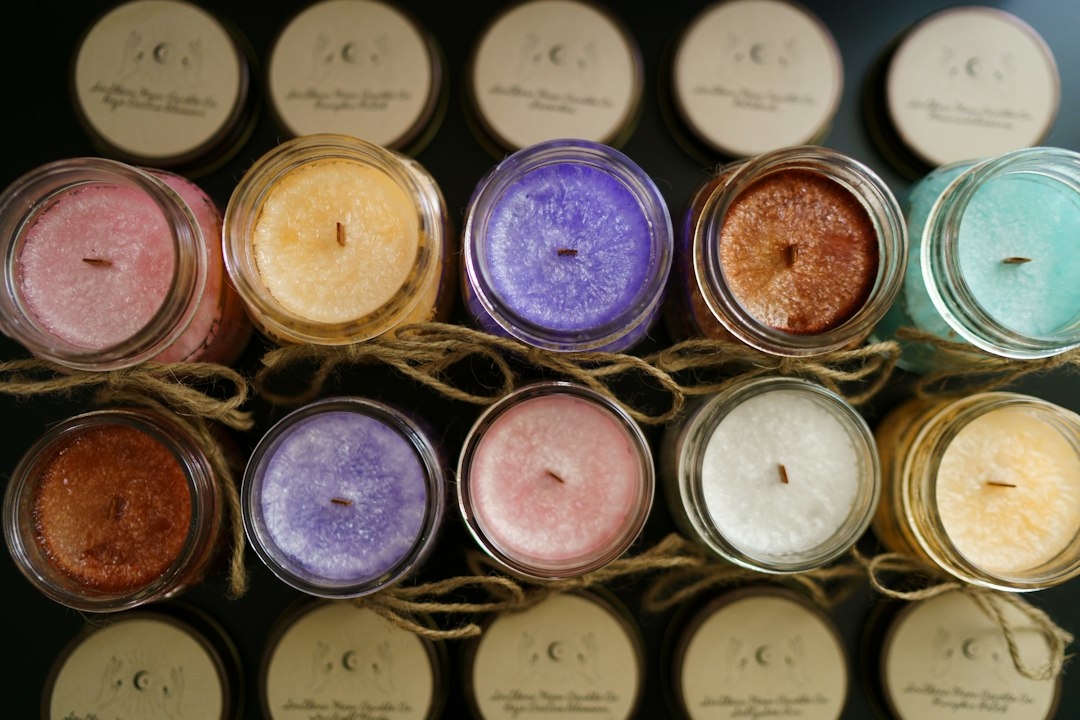
Northeast customers often favor cozy, spiced scents through the long winter, West Coast buyers lean toward lighter florals and citrus, and Southern customers frequently prefer fresh, clean scents year-round.
Examples
A home-based candle maker started selling at a single local farmers market, growing within a year into a small wholesale account with three area boutiques.
Troubleshooting
If candles consistently tunnel down the middle instead of burning evenly, the wick size likely doesn’t match the container diameter and needs adjustment.
FAQ
How much does it cost to start a candle business?
Most home-based candle makers start with $200-$1,000 in wax, wicks, containers, and fragrance oils before their first sale.
Do candle makers need a special license?
Requirements vary by state, but most need a basic business license and must follow federal candle safety labeling regulations regardless of location.
Can candle making be profitable as a side business?
Yes, many candle makers start part-time, reinvesting early profits into better equipment and ingredients before deciding whether to scale into full-time work.
How do I test new fragrance combinations safely?
Always follow the wax manufacturer’s maximum fragrance load guidelines and burn-test each new batch fully before offering it for sale to customers.
Should I sell candles wholesale to local boutiques?
Wholesale accounts provide steady bulk orders at lower per-unit margins, making them a valuable complement to higher-margin direct retail sales.