
Contents:
- Quick Answer Box
- Brief Answer
- Why (Arguments)
- Common Mistakes to Avoid
- A Personal Example
- When It Applies and When It Doesn’t
- Conclusion
- A Seasonal Timeline
- A Cost Breakdown
- What the Pros Know
- A Personal Example
- A Regional Difference
- FAQ
- Can a polo be worn to a job interview?
- What color polo works best for business casual?
- Should a polo be tucked in for a business casual look?
- Does the fabric quality of a polo actually matter?
You’re standing in front of your closet twenty minutes before an interview, staring at a plain polo shirt, and genuinely unsure whether it actually counts as business casual.
Quick Answer Box
Yes, a well-fitted, solid-colored polo shirt generally qualifies as business casual, especially when paired with tailored pants and clean shoes rather than jeans and sneakers.
Brief Answer
A polo lands comfortably within most business casual dress codes, though the specific pairing and setting still matter considerably more than the shirt itself.
Why (Arguments)
A polo strikes a middle ground between a formal dress shirt and a casual t-shirt, offering a collar and structured fabric that reads as intentional rather than thrown together at the last minute.
Common Mistakes to Avoid
Wearing a faded, oversized polo, or pairing it with athletic shorts, undermines the polished look a well-fitted polo can otherwise achieve in a business casual setting.
A Personal Example
A sales rep switched from button-downs to quality polos for client visits, finding clients responded just as positively while he stayed considerably more comfortable during long summer days on the road.
When It Applies and When It Doesn’t
A polo works well in tech, retail, and many client-facing roles with relaxed dress codes, but it falls short in law, finance, or any setting where a full dress shirt remains the clear norm.
Conclusion
Confirming your specific workplace’s actual dress culture, rather than relying on a generic definition, ultimately determines whether a polo is the right call for a given day.
A Seasonal Timeline
Polos work especially well through spring and summer, offering a breathable, professional-looking alternative to heavier dress shirts during warmer months.
A Cost Breakdown
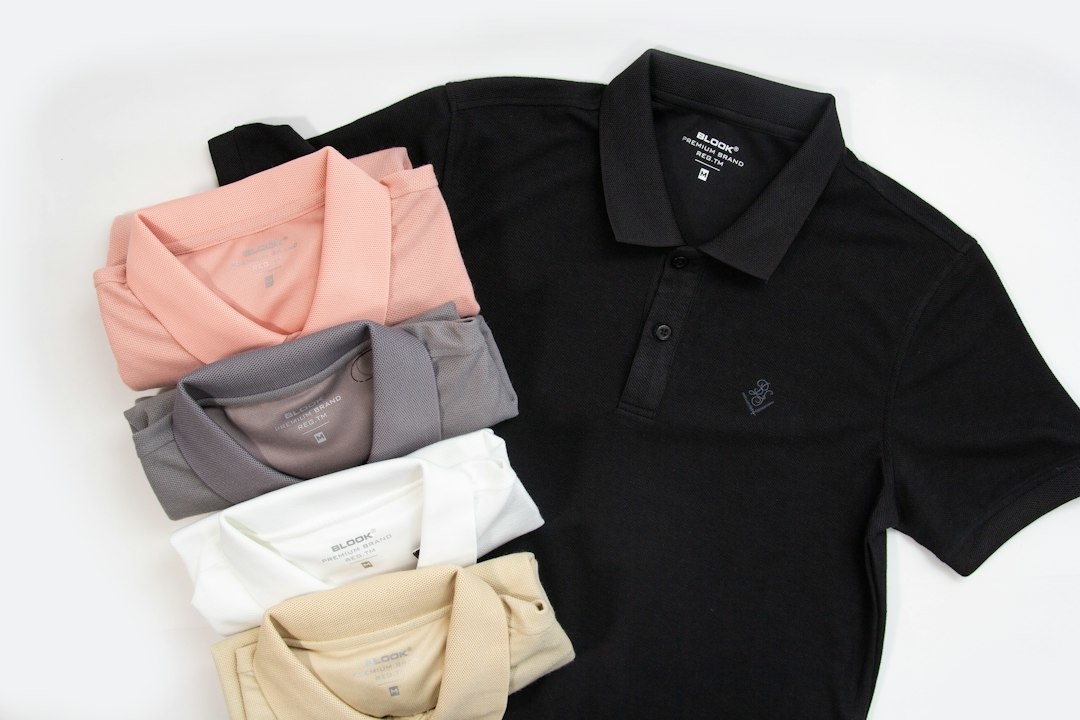
A quality polo typically costs $25-$60, and investing in two or three well-fitted options in neutral colors covers most business casual needs comfortably.
What the Pros Know
A slightly fitted, not tight, silhouette reads as more intentional than an oversized polo, even when both are technically the same quality fabric.
A Personal Example
A marketing coordinator swapped her Friday button-downs for a rotation of neutral polos, finding colleagues barely noticed the switch since the overall polish stayed genuinely consistent throughout the week.
A Regional Difference
West Coast tech offices embrace polos year-round, while Northeast financial offices reserve them mainly for casual Fridays or summer months when dress codes typically relax.
FAQ
Can a polo be worn to a job interview?
Yes, for roles with a genuinely casual or business casual culture, though a dress shirt remains the safer default choice for a first interview.
What color polo works best for business casual?
Solid navy, black, gray, or white polos read as more professional than bright colors or busy patterns in most business settings.
Should a polo be tucked in for a business casual look?
Yes, tucking in a polo with a proper belt generally creates a more polished, intentional appearance than leaving it untucked.
Does the fabric quality of a polo actually matter?
Yes, a pique or interlock knit polo in breathable cotton or a cotton blend looks noticeably more professional than a thin, low-quality jersey fabric.