Contents:
- Preparation
- Step 1: Register Your Business and Get Licensed
- Step 2: Get Bonded and Insured
- Step 3: Set Your Pricing Structure
- Step 4: Buy Supplies and Equipment
- Step 5: Land Your First Clients
- What the Pros Know
- A Personal Example
- A Sustainability Angle
- A Regional Difference
- FAQ
- How much does it cost to start a cleaning business?
- Do I need special certification to clean professionally?
- How quickly can a new cleaning business become profitable?
- Should I offer recurring cleaning contracts or one-time jobs?
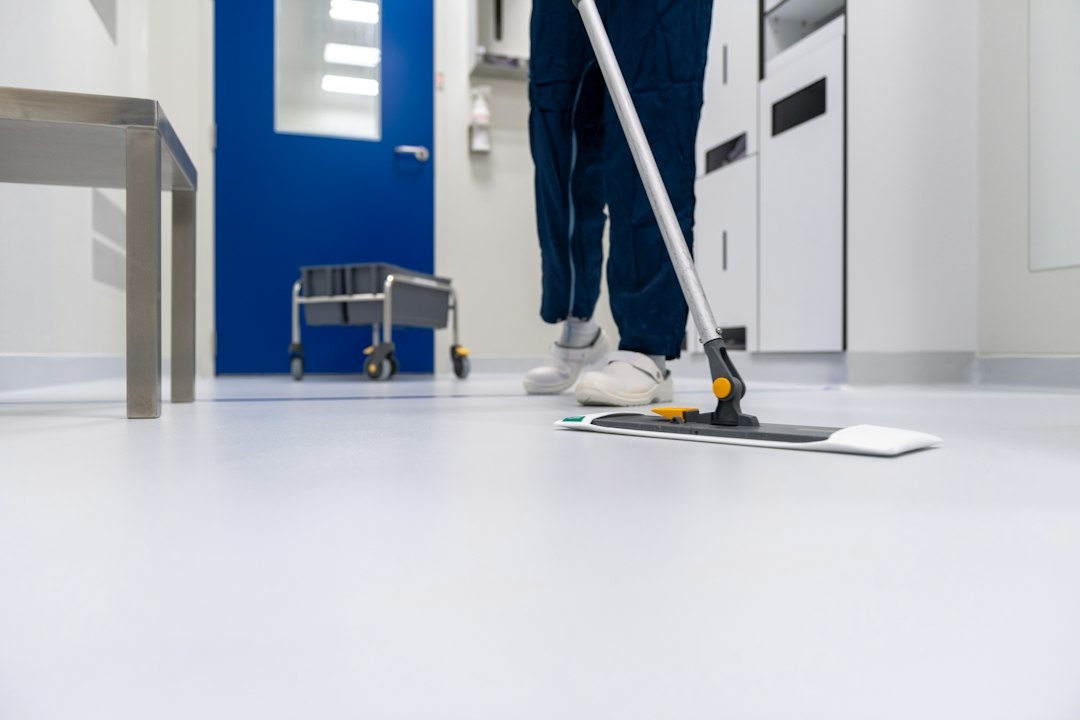
A single mom with nothing but a mop bucket, a used minivan, and relentless word-of-mouth built a genuine six-figure cleaning business in under three years.
Preparation
Decide whether you’ll focus on residential or commercial cleaning, gather basic supplies, and set aside a modest amount of starting capital before taking your very first booking.
Step 1: Register Your Business and Get Licensed
Most states require only a basic business license and registration for a cleaning service, though some municipalities add a separate local permit for home-based businesses.
Step 2: Get Bonded and Insured
General liability insurance and a janitorial bond protect you if something breaks in a client’s home, and many clients simply won’t hire an uninsured cleaner regardless of price.
Step 3: Set Your Pricing Structure
Residential cleaning typically runs $25-$50 per hour or a flat $100-$200 per standard home visit, while commercial contracts are often priced per square foot instead.
Step 4: Buy Supplies and Equipment
A starter kit of eco-friendly cleaners, a quality vacuum, and basic tools typically costs $300-$800, considerably less than most people assume before researching actual supply costs.
Step 5: Land Your First Clients
Neighborhood social media groups, local referral networks, and a simple flyer campaign in your target area generate first clients faster than paid advertising for most new cleaning businesses.
What the Pros Know
Experienced cleaners quote by the job, not strictly by the hour, since hourly pricing can unintentionally reward slower work and frustrate clients who expect predictable costs.
A Personal Example
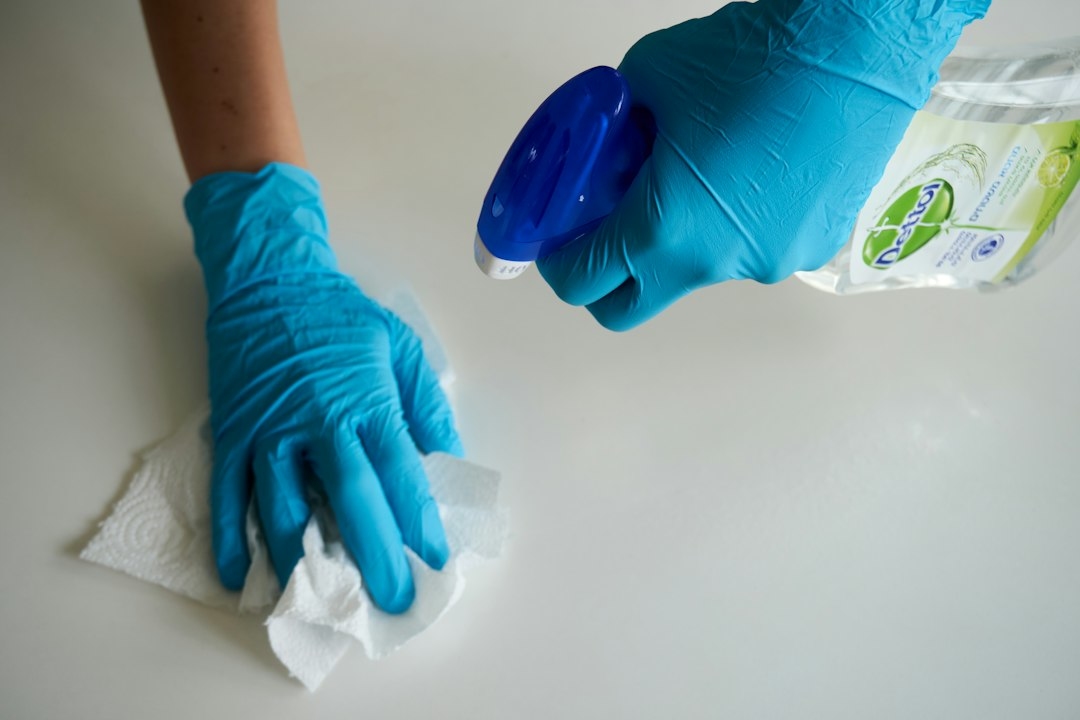
That same single mom started with two neighborhood clients found through a local Facebook group, and within eighteen months had grown to a small team serving over forty recurring households.
A Sustainability Angle
Switching to concentrated, biodegradable cleaning products cuts both plastic waste and chemical runoff, and it’s increasingly a genuine selling point with environmentally conscious clients.
A Regional Difference
Northeast clients often expect deep winter cleaning services tied to salt and slush tracking, West Coast clients prioritize eco-friendly products more heavily, and Southern clients frequently want more frequent service due to humidity and allergens.
FAQ
How much does it cost to start a cleaning business?
Most solo operators start with $500-$2,000, covering supplies, basic insurance, and initial marketing before their first paid job.
Do I need special certification to clean professionally?
No general certification is required for residential cleaning, though specialized certifications exist for commercial or medical facility cleaning work.
How quickly can a new cleaning business become profitable?
Many solo cleaners break even within the first one to two months, since overhead costs stay genuinely low compared to most other service businesses.
Should I offer recurring cleaning contracts or one-time jobs?
Recurring contracts provide far more predictable income, and many successful cleaning businesses prioritize converting first-time clients into ongoing weekly or biweekly service.